
Button Lock Knives
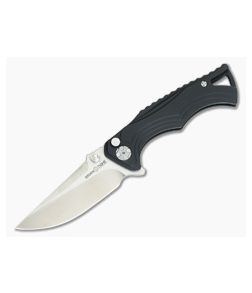
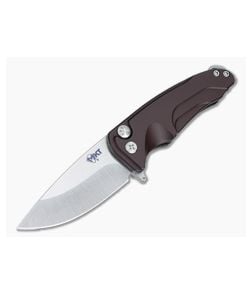
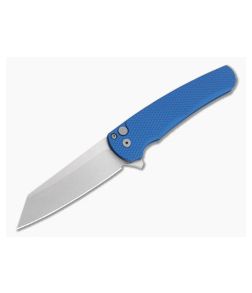
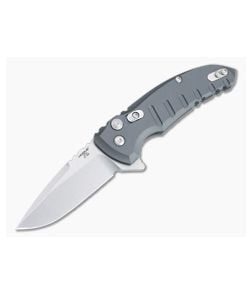
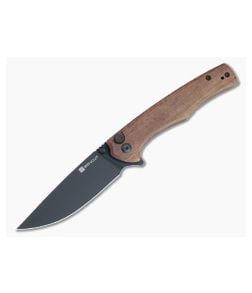
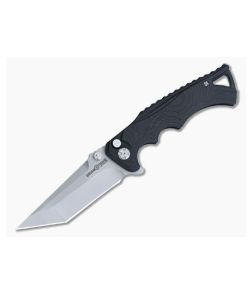
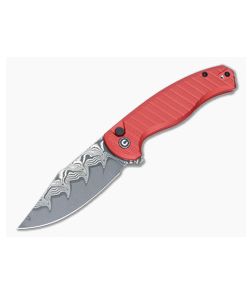
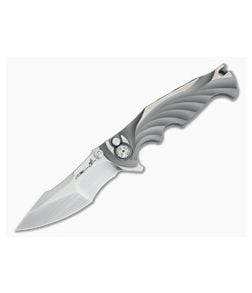
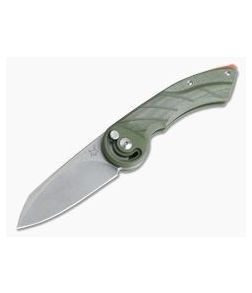
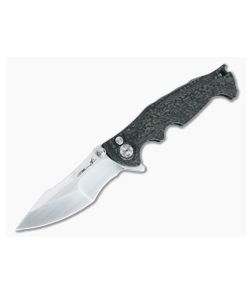
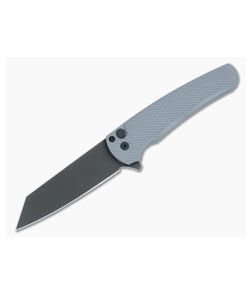
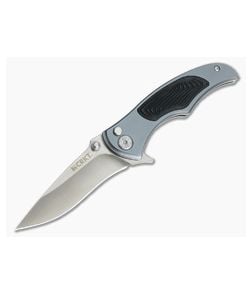
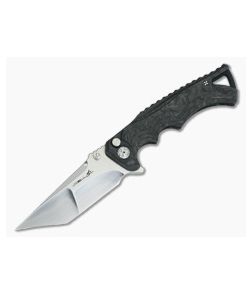
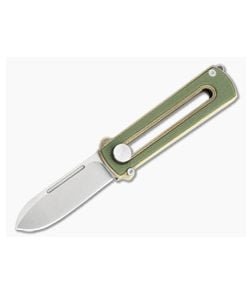
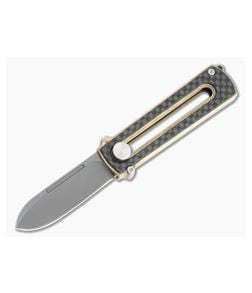
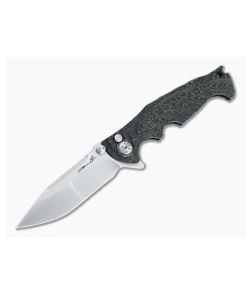
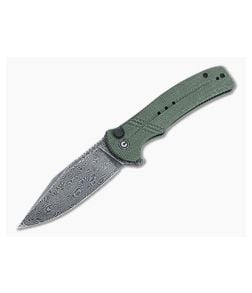
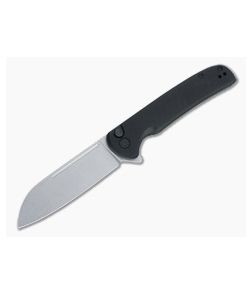
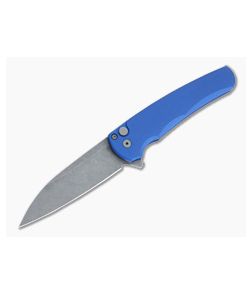
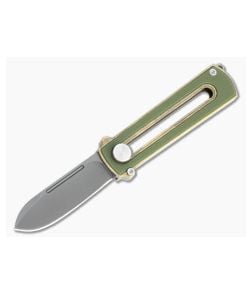
Button Lock Knives feature a release button on the handle scale near the pivot, built for fast, one-handed closing. Flippers like the Protech Malibu highlight this appeal — quick to open, quick to close, and highly addictive. It's one of several lock types prized for a fidget-friendly action that holds up to repeated open-and-close cycles.
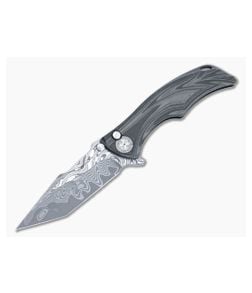
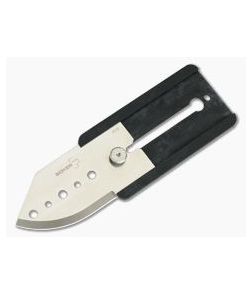
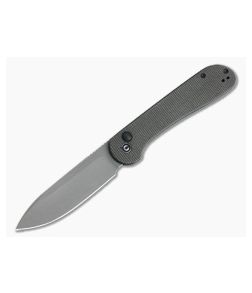
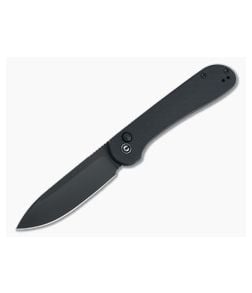
How a Button Lock Works
A button lock uses an internal, spring-loaded pin that seats into a matching notch on the blade's tang once it's fully open. The release button sits on the front handle scale, just above the pivot, and pressing it retracts the pin so the blade folds shut. Because the lockup comes from a fixed engagement point rather than a lockbar interface, it doesn't loosen with wear the way some other locks can.
Button Lock vs. Push-Button Automatics
While they share a similar name, manual button locks and automatic knives operate differently:
- Manual Button Locks: Opened entirely by hand, usually with a flipper tab or thumb stud. The button releases the blade so it can fold shut.
- Push-Button Automatics: Fire the blade open under spring tension at the press of a button.
Because of these mechanical differences, automatic knives face stricter legal regulation in some regions, while manual button locks generally do not. CIVIVI and Vosteed both build manual button lock flippers, and Protech, better known for its automatics, builds manual button lock designs of its own.